


Theatre performances have been captivating audiences for centuries. Long before the advent of television, the internet, and social media, the theatre was already flourishing. Initially, performances were often amateur with no defined staging or character looks. However, over time, qualified artists took to the stage, complete with costumes, masks, and elaborate sets. Today, virtually every city boasts a functioning theatre, and Liverpool is certainly no exception. We’re delving into the fascinating history of the Liverpool Playhouse on Williamson Square. It began life as a music hall before ultimately transitioning into the esteemed repertory theatre it is today. You can read more about the theatre’s full history on the liverpool-trend.com website.
A Look Back: How the Story Began
The theatre’s story started way back in 1866, when it first opened its doors as the Star Music Hall. This music hall replaced an earlier venue known as the Star Concert Hall. In 1895, the name changed to the Star Theatre of Varieties. Just three years later, the theatre underwent a refurbishment, which included the installation of electricity and the redecoration of the foyer and auditorium.
In 1911, the theatre premises were acquired for £28,000. This led to the formation of the Liverpool Repertory Theatre Limited, with Basil Dean taking on the role of producer. The building was thoroughly renovated and modernised to meet the needs of the era, a project that cost around £4,000.
It’s worth noting that Maud Carpenter managed the new theatre for many years, while Ronald Settle served as the musical director. The theatre has been renamed and has undergone several reconstructions and updates over its lifetime.
In the 1990s, the theatre was effectively wound up, but thankfully, the charitable organisation Liverpool and Merseyside Theatres Trust Limited was subsequently established. As a result, the theatre was able to reopen its doors and continue operating.
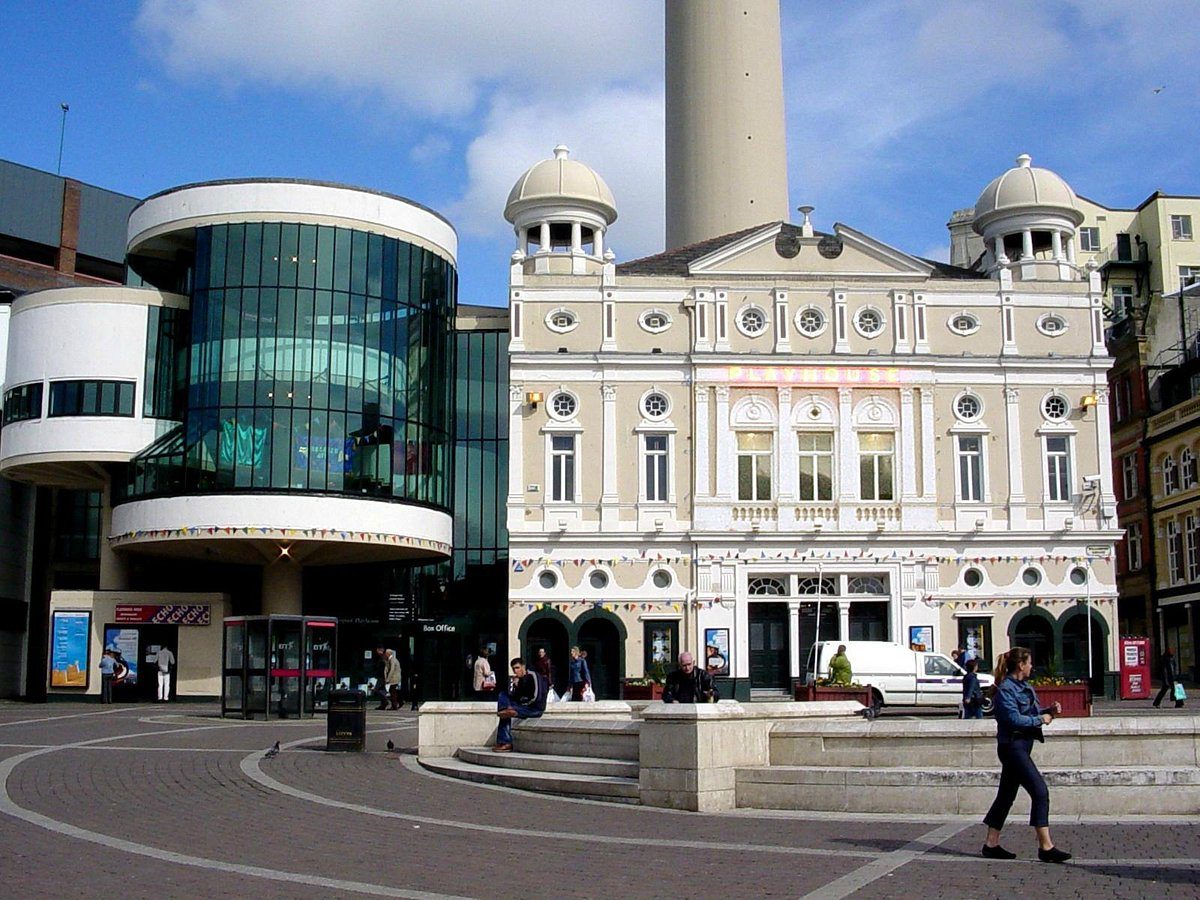
The Liverpool Playhouse: What We Know
As you can imagine, the theatre has been constantly updated and improved, which is why it features both a new wing and an older section. The exterior of the older part of the theatre is adorned with stucco and covered with slate. The main entrance faces Williamson Square, and the theatre’s overall interior is designed in the Greek Revival style.
Conversely, the new section is built from concrete and is predominantly clad in glass. The main entrance doors for this wing are located on the ground floor.
On a historical note, in 1975, the theatre was added to the National Heritage List for England as a Grade II listed building.
Furthermore, in 1999, a trust was formed to merge the management of the Playhouse and the Everyman Theatre. Though they are two distinct venues situated nearly a mile apart, together they form a single, unified artistic force.
Everyone knows that a theatre’s true value lies not in its walls or architectural grandeur. The heart of any theatre is its artists, directors, costume designers, and make-up artists.
A huge contributor to the theatre’s development was the director of the repertory company, William Armstrong, who held the post from 1922 to 1944. Armstrong was a master in selecting and staging plays and was highly regarded as a wise leader and shrewd business manager. Under his guidance, the theatre recruited and trained artists. The Playhouse stage hosted an array of famous actors and actresses, including Michael Redgrave, Rex Harrison, Robert Flemming, Viniaard, Richard Bird, Robert Donat, Lilian Braithwaite, Cecil Parker, John Gregson, Clive Brook, C. Aubrey Smith, Richard Burton, Patricia Routledge, Anthony Hopkins, and Richard Briers, among many others.
The Liverpool Playhouse is a well-known institution in Liverpool, steeped in rich history. This venue has been continually refined and modernised, with every effort made to ensure the comfort of both the audience and the performers.
We hope you found this article insightful and that you’ve learned more about your local city.
So, how often do you catch a show? We look forward to reading your comments on social media.