Inclusive theatre is primarily about ensuring equal opportunities for participation, which also makes art more accessible. Here, people with diverse circumstances—some with disabilities, some elderly, and others from different cultural and social backgrounds—can act and find a space for self-expression. This approach changes the very idea of theatre into a place where everyone can truly be themselves. We tell you all about it on liverpool-trend.com.
Who Creates Inclusive Theatre in Liverpool?
In Liverpool, inclusivity is a daily practice. The city’s theatres approach this topic in different ways: some work with local communities, some support young people, and others champion the art of people with disabilities. But they are all united by one thing—a desire to make the stage open to those who might previously have been overlooked.
Everyman and Playhouse: Prioritising Diversity
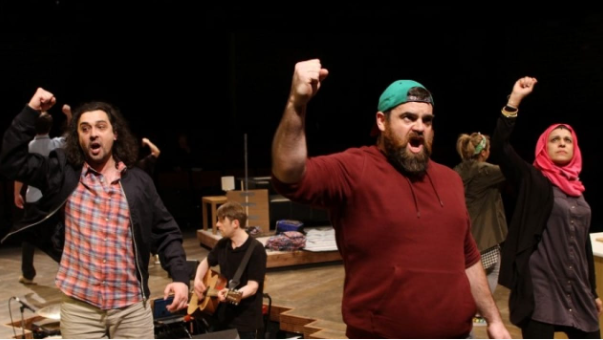
At the heart of Liverpool are two iconic theatres, Everyman and Playhouse, known for their community-focused approach. In 2020, they created the Diversity Action Group—a team of theatre staff, community representatives, and board members who ensure that the principles of equality and respect don’t just stay on paper.
Everyman also focuses on young people: tickets for just £5 for audience members under 26 is one of the initiatives that opens the doors to those who might not have dared to open them before. And new Creative Director Nathan Powell stated from the outset that his mission is to make the stage a place for everyone who usually remains outside the spotlight.
Unity Theatre: Performances That Break Barriers
Unity Theatre began as a radical working-class venue. Accordingly, it is characterised by a strong social conscience. Today, it is known for supporting independent artists and initiatives that work with people with disabilities, particularly in partnership with the RAWD organisation.
The Unity stage brings together real stories. Here, those who are often not given a voice perform—and they sound genuinely convincing. The theatre focuses on substance rather than effect, making it easy to understand for anyone who values sincerity over the ability to wear a mask.
Royal Court and Boisterous: When the Voice of Communities Is Heard
Royal Court is another major theatre that doesn’t cater solely to privileged audiences from the city’s central districts. It has a youth theatre, a Community Choir, and also the Boisterous Theatre Company, the city’s first company focused on artists from BAME communities. This is a full-fledged part of the city’s theatrical ecosystem. Its team’s work expands the very idea of what and for whom the stage exists. Thanks to such projects, the repertoire becomes more vibrant and closer to the city and its people.
Valley Community Theatre: A Big Deal in a Small Neighbourhood
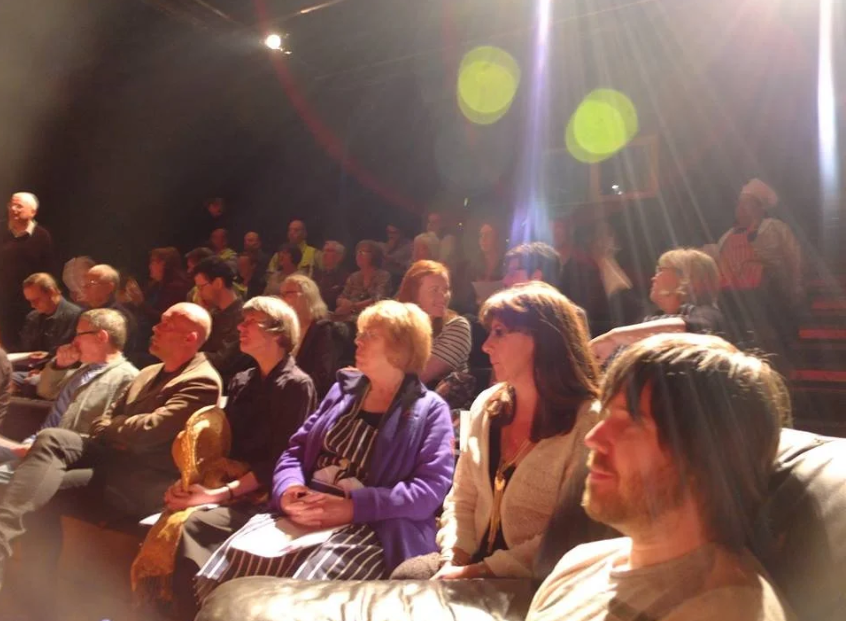
In neighbourhoods far from the city centre, theatres sometimes become the hub of community life. Valley Community Theatre in Netherton is one such case. The organisation’s programmes are free, tailored to the needs of local residents, and serve as a platform for support, development, and genuine social interaction.
This theatre reminds us that inclusivity doesn’t always look like a big, but temporary, campaign. Often, it’s a stable, daily presence nearby.
New Initiatives: How the Scene Is Developing
Liverpool’s inclusive theatre map is constantly being updated—new, often small but very active, communities are joining the already well-known venues. They are working not so much for a loud effect, but for deep, lasting changes in accessibility, representation, and engagement.
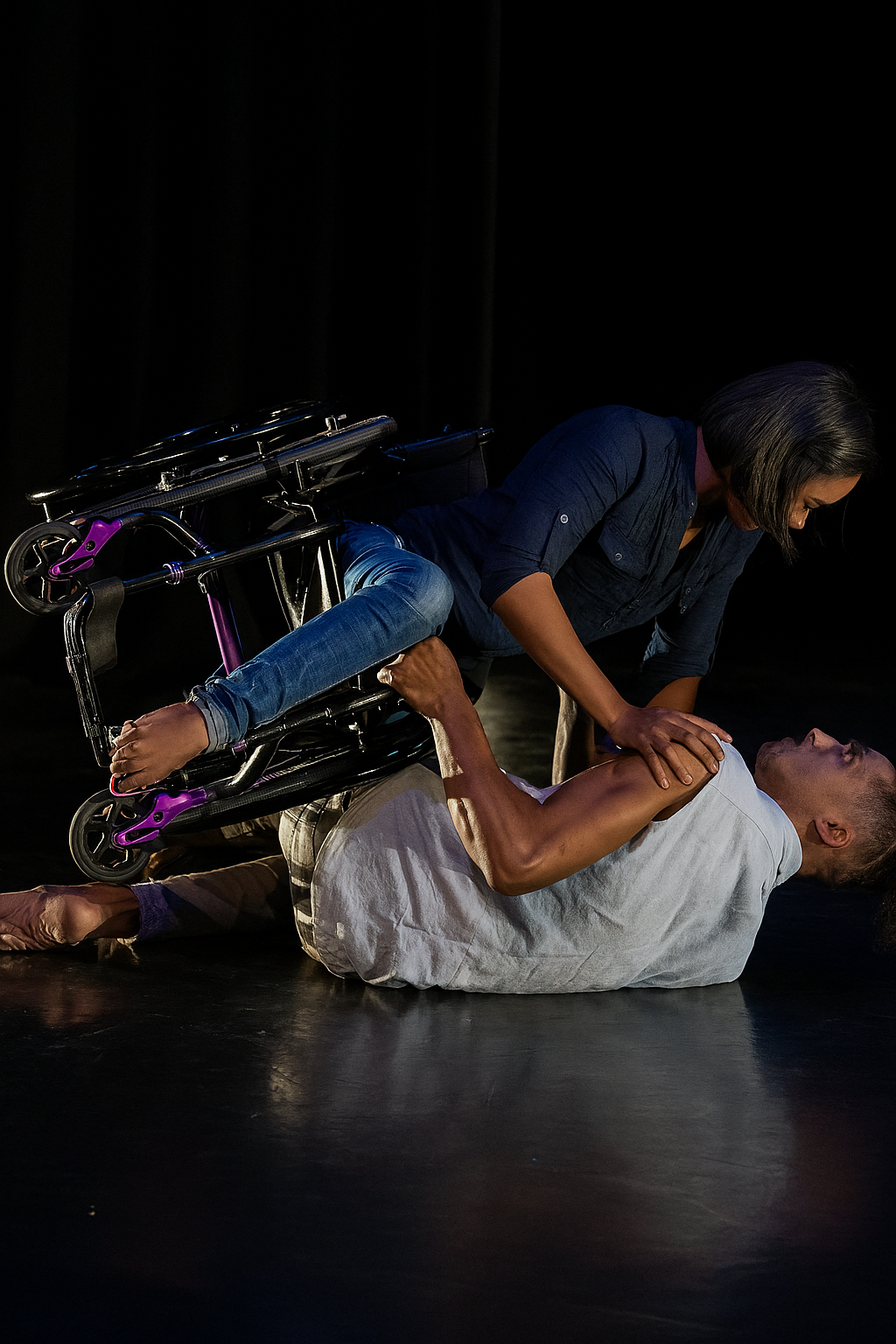
One example is Liverpool Inclusive Theatre CIC—an independent company registered in 2023. The very creation of such a structure shows that the demand for an inclusive approach in the arts is growing. What’s important here is not even the number of performances, but the approach itself: developing programmes, involving communities, and collaborating with local initiatives.
Successful examples from other regions—such as Apple Shed Inclusive Theatre or Twocan Inclusive Theatre Company—inspire similar initiatives in Liverpool. They show how even small theatres can give a voice to those who were previously unheard. And while offerings like all inclusive theatre breaks are already the norm in London, this movement is slowly but surely gaining momentum in Liverpool.
Inclusive Festivals: Art Without Limits
In Liverpool, the inclusive approach to art is also reflected in festivals that create their own ecosystem. They bring together artists with different experiences, broaden perceptions of creativity, and suggest that inclusivity is a new standard, not an exception.
The most notable example is DaDaFest. This is an international movement that started right here in Liverpool. Its goal is to develop deaf & disability arts, opening the stage to those whom traditional culture has ignored for years. DaDaFest organises performances, workshops, and forums, supporting young people and artists at all stages—from their first performance to international collaboration.
Another example is RAWD (Reach – Achieve – Work – Discover), an organisation that creates inclusive projects at the intersection of art and education. Their performances are both creative works and social practice. In Liverpool, RAWD collaborates with the Unity Theatre, developing a platform for artists with disabilities.
And there’s inspiration from outside, too: for instance, the E2A Inclusive Theatre Group from Northern Ireland also works on similar principles. And although they are not based in Liverpool, their similar approaches to working with communities create a shared landscape—open, multi-voiced, and vibrant.
How to Get Involved: For Audience, Actors, and Volunteers
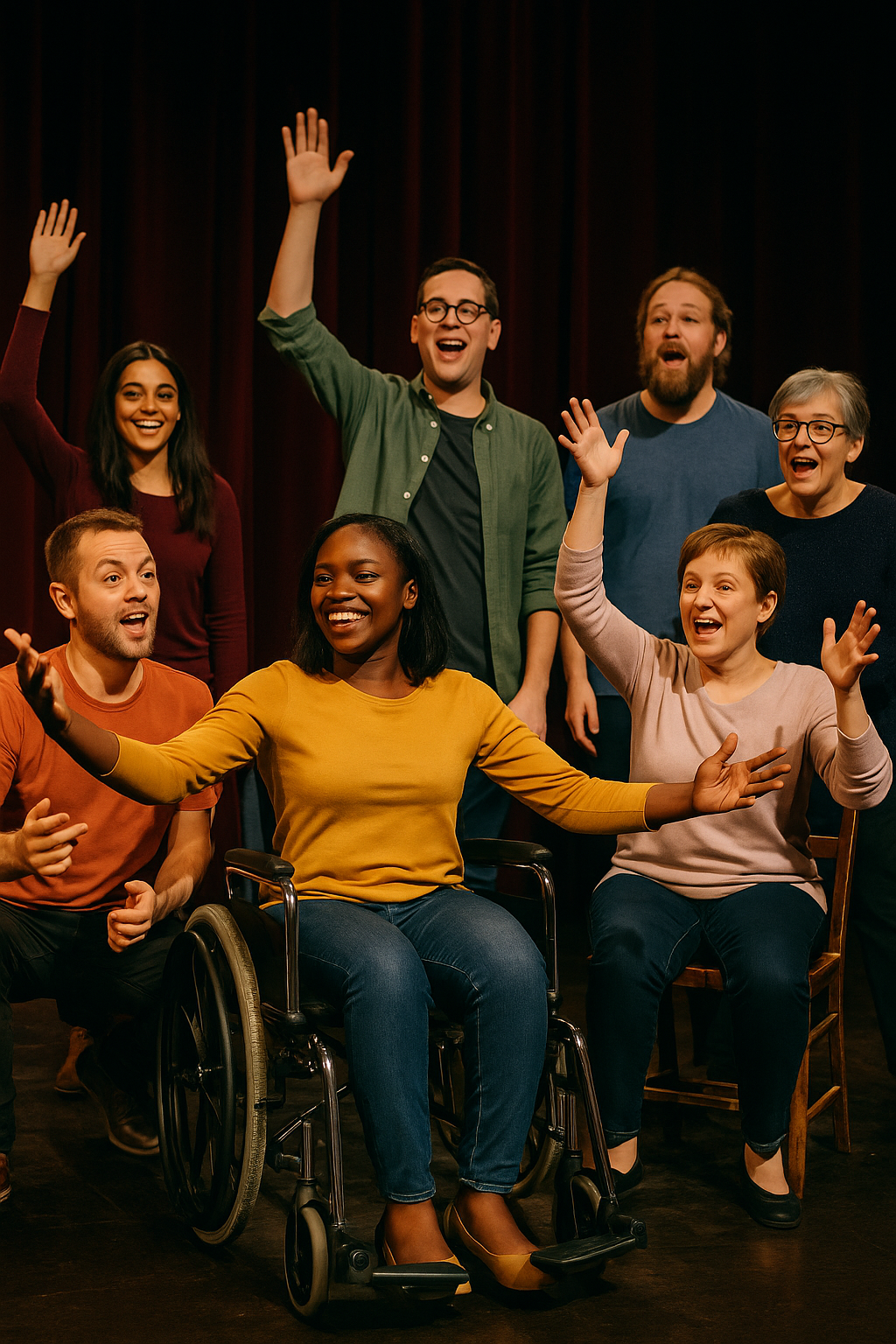
The Liverpool theatre scene is becoming more accessible for both audiences and those who want to be a part of it. And the main thing is that you don’t need to have an acting degree or stage experience. Something else is valued here: motivation, openness, and a desire to create together.
Many theatres—from Unity to Valley Community—regularly open applications for participation in projects: these can be workshops, amateur productions, or volunteer initiatives. The Royal Court, for example, invites people to join its youth theatre, while Everyman invites them to collaborative events as part of the YEP (Young Everyman Playhouse) programme.
It’s also become easier for audiences—tickets are sold at affordable prices, and theatres take into account the diverse needs of visitors. There are programmes with subtitles or sign language, as well as inclusive posters that clearly state the format and audience needs—even details like the length of the performance or the possibility of leaving during the show. This is very important for many people.
And if you are visiting the city with an interest in theatre, it’s worth paying attention to the posters of smaller theatres, not just the big ones. Liverpool attracts tourists not only with the Beatles museum, which actively uses its famous brand. What’s equally important is that its own all inclusive theatre breaks are already being developed for those who want to see the stage from a new perspective.
The initiatives discussed here rarely arise out of nowhere—they are supported by both cultural organisations and municipal programmes. Liverpool invests in art not as a form of entertainment, but as a resource for communities: social, educational, and emotional. It is this kind of systemic support that allows small theatres to avoid disappearing after their premiere.
It is also worth mentioning the interconnectedness. Theatres here don’t compete; rather, they complement each other: some provide their space, some share their expertise, and some work with a specific community. This is why the inclusive scene in Liverpool is developing not in leaps and bounds, but gradually and steadily.