


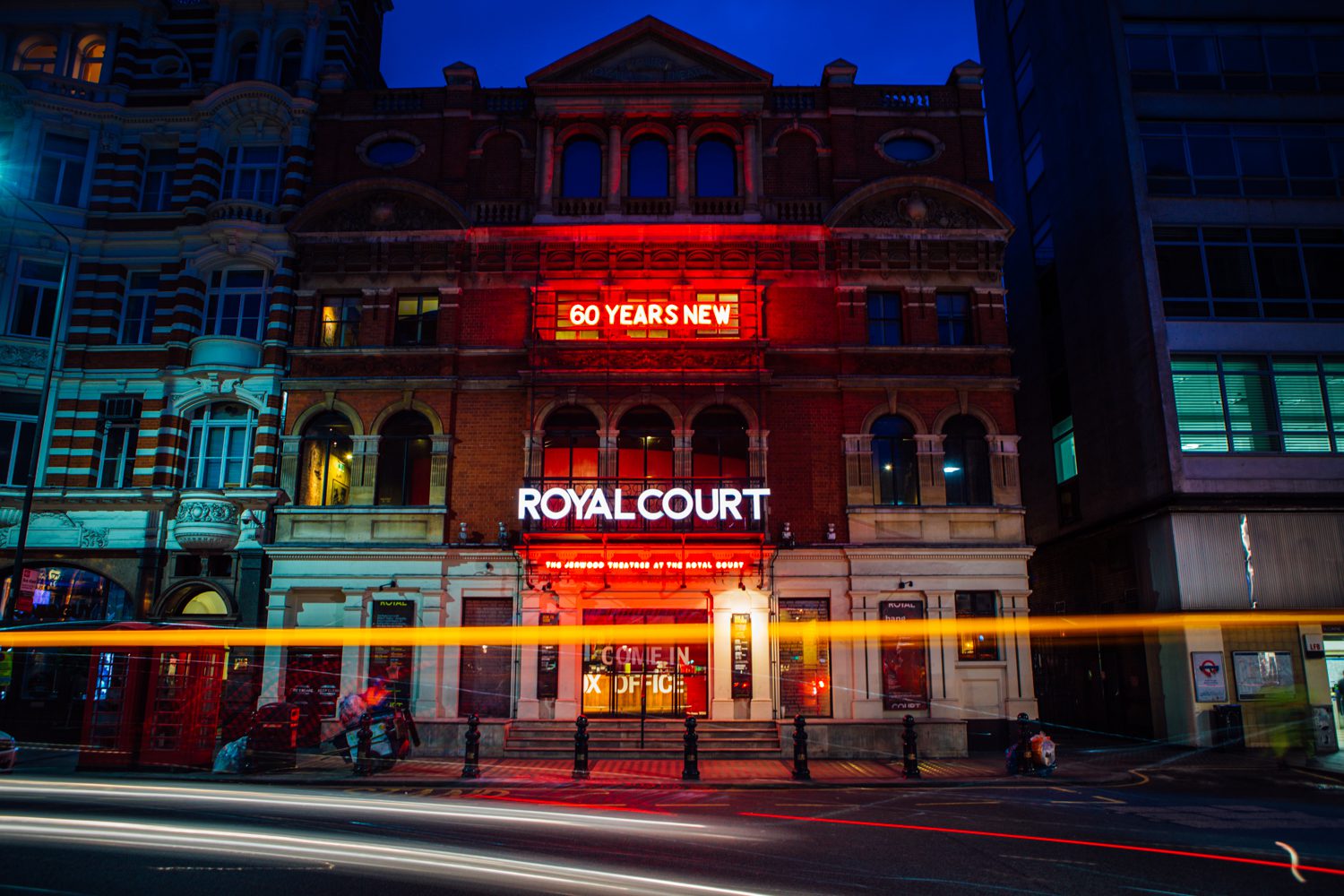
We’re continuing our series introducing readers to Liverpool’s theatres. The Royal Court Theatre is another of the city’s well-known venues, situated on Roe Street. Construction of the current building began in 1938, replacing a theatre that had been destroyed by fire. The Royal Court Theatre eventually became Liverpool’s leading theatre. You can read more about the history and development of the Royal Court Theatre on the pages of liverpool-trend.com.
A Curious History: It Started with a Well
The site of the modern Royal Court Theatre was originally occupied by a well, built in the 12th century. In 1826, circus owner John Cooke purchased the location to stage plays, operas, and concerts. The spot soon became known as “Cooke’s Royal Amphitheatre of Arts.” Up to 4,000 spectators would gather here to relax, enjoy a play, opera, or concert, or have a good laugh at the circus clowns.
In 1881, Henry Sumner converted the building into a conventional theatre and opened the Royal Court. Fifteen years later, Robert Arthur took over the theatre. He merged all his theatres into a limited liability company. Arthur went bankrupt in 1912, and shareholders appointed Michael Simons, the founder of “Howard & Wyndham Ltd”, as Chairman of the Board.
It’s worth noting that at the end of the 19th century, the theatre was virtually the only form of entertainment available to Liverpool residents. This explains the sheer number of venues in the city: 26 theatres and 38 concert halls. The main theatres in Liverpool were the Prince of Wales Theatre (opened in 1861), the Shakespeare Theatre (opened in 1866), and the Royal Court Theatre.
The Royal Court Theatre began staging an annual pantomime. Audiences absolutely loved these shows, as pantomime combines elements of music hall, comic opera, and variety show. That’s why it appealed to all social classes. Incidentally, the first pantomime at the Royal Court was “The Girls in the Wood.”
Fire and the Second World War
In 1933, the theatre was destroyed by fire. Five years later, construction of the new theatre began. In 1941, the venue was renamed “Howard & Wyndham”.
The opening of the new theatre coincided with the beginning of the Second World War. Although many buildings in Liverpool were damaged, the Royal Court remained untouched. Moreover, it hosted performances by many famous artists, including Ivor Novello, Margot Fonteyn, John Gielgud, and Richard Burton, among others.
The Royal Court Theatre also didn’t limit itself to just plays and theatrical productions; it also hosted concerts.
In 1990, the building was granted Grade II listing, recognising it as a vital part of Liverpool’s heritage.
What to See at the Theatre
The theatre’s interior is decorated with a maritime theme. This fits in beautifully with the city’s history, particularly its seafaring traditions. Meanwhile, the design of the basement area “transports” visitors onto the Cunard liner Queen Mary. Incidentally, the ship was launched two years before the theatre opened. In total, the theatre can accommodate nearly 1,200 spectators.
In 2010, the Royal Court Theatre introduced the Variety Lunch Club programme, which has become a huge hit, attracting around 1,200 people to these monthly events.
The theatre also runs free community groups, including a public choir and a youth theatre.
A host of popular shows have been created at the Royal Court Theatre, such as “Cuncil Depot Blues,” “The Royal,” “Mam!,” and “The Scouse Nativity,” along with numerous other productions. In 2018, the Boisterous Theatre Company was launched. It remains the only company in the city dedicated to promoting talent.
The Royal Court Theatre is one of many popular venues in Liverpool. It boasts a long history and is continuously improved, refurbished, and modernised each year to ensure audiences thoroughly enjoy their visit.
We hope you found our piece interesting and that you’ve learned a bit more about your home city.