


Liverpool is famous not only for its rich history and cultural heritage but also as the cradle of many musical revolutions. Thanks to the lively musical life, it has excellent conditions for the development of talented musicians. As a result, the city became one of the most prominent music centres in the world. How did it happen and what was next? Learn more at liverpool-trend.com.
RICH HISTORY OF THE BEATLES AND NOT ONLY
Liverpool has a very long musical tradition of classics and pop. Everyone knows about The Beatles. They created at least 18 brilliant singles, which took the first place in the British charts. And if we talk about the American charts, there were 20 such tracks. But Liverpool boasts many other cool bands, vocalists and songs.
In 2001, Liverpool was declared the city of pop music. The centre of Merseyside County began to play a particularly important role in musical life from the beginning of the 1950s.
1950s
A weekly British hit parade of singles began in 1952. Liverpool stars very quickly started to appear there. The first of them was Lita Roza, who worked in the jazz style. She had huge success in cabaret and regularly became the best singer for a decade.
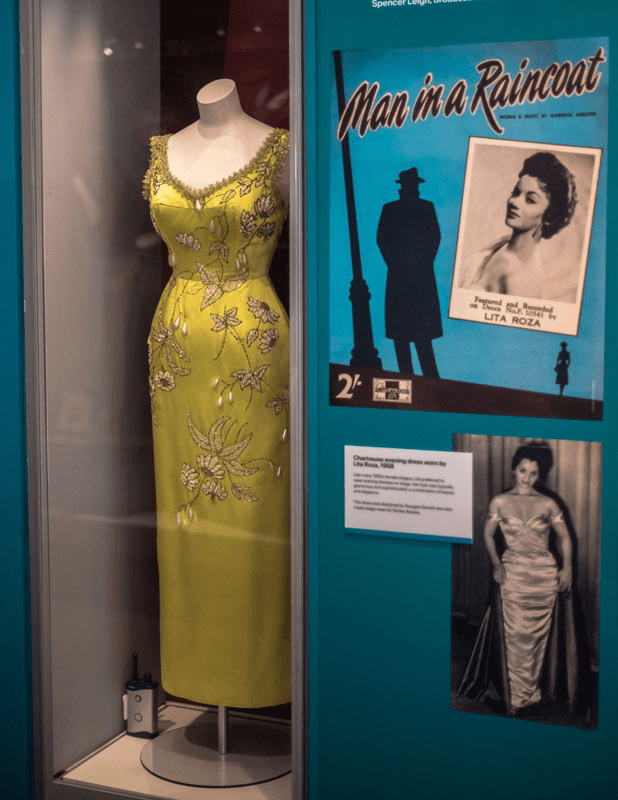
In addition to jazz and pop music, rock and roll, skiffle and rhythm and blues developed during that period too. The young musicians of Liverpool were discovering new genres and styles as well as creating their own interpretations of music. Another Liverpool star singer of that period was Frankie Vaughan, who topped the charts with the song The Garden of Eden.
In the 1950s, Liverpool gave the world real masters of the live music scene, who influenced the further development of world pop culture. After all, there were many places in the city where talented musicians could perform live, mostly playing popular hits at that time. Among them were clubs and bars, such as The Cavern Club, where the famous Liverpool Four would later perform.
Thus, in the 1950s, Liverpool became an important centre of musical creativity and experimental styles that influenced the further course of music history.
1960s
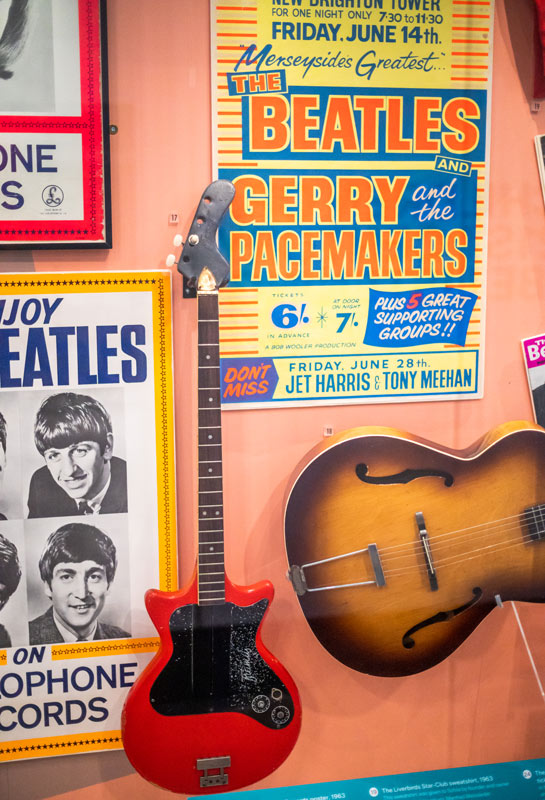
In the 1960s, the city began to develop the Merseybeat style, which was popularised by such artists as Gerry & The Pacemakers. Liverpool then became a famous music centre, as the whole world went crazy for The Beatles, who gave rise to the so-called Liverpool era. The city was at the centre of the attention of the whole world because it regularly gave new talented musicians and unforgettable hits.
In addition to the already mentioned musicians, The Searchers and The Merseybeats also had a great influence on the development of British pop music at that time.
1970s–1980s
Then there was a bit of a lull in Liverpool’s music scene for a while. The band of John Lennon and Paul McCartney broke up. Many groups and singers focused on the so-called mainstream product. It was made following classical recipes to please the majority of listeners but didn’t develop music.
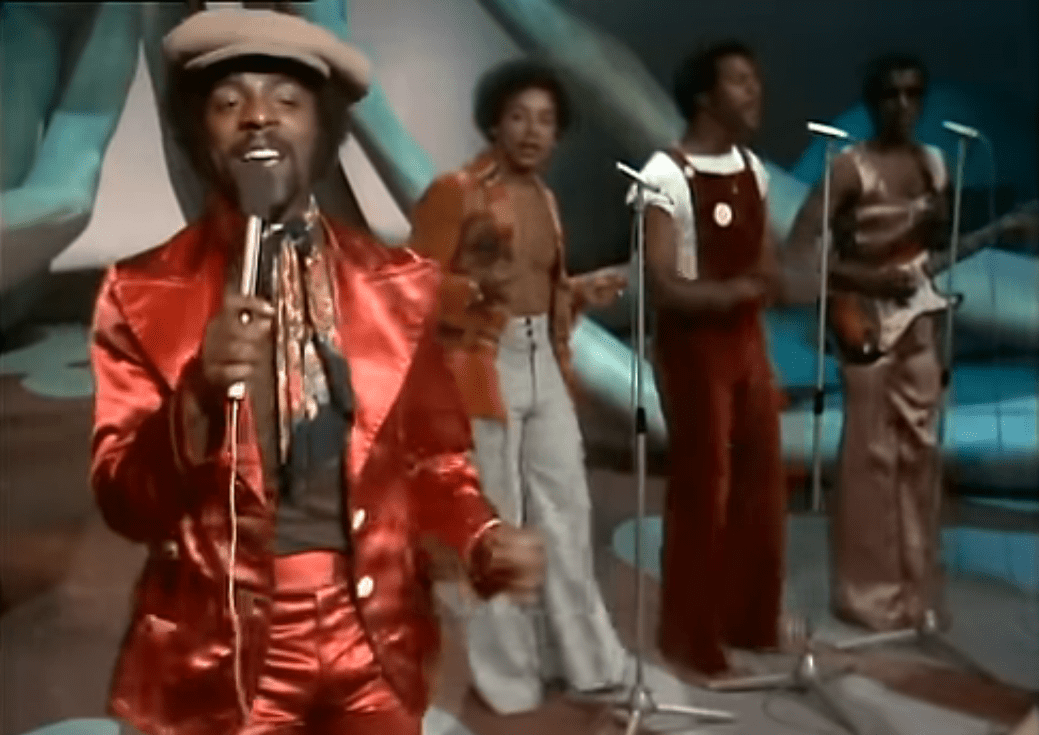
The situation began to improve in the second half of the 1970s. Then such bands as Echo & the Bunnymen, the Mighty Wah!, OMD, China Crisis, Dead or Alive and others appeared on the scene. Punk-rock and post-punk were developing too. Those who worked in these styles mostly performed at Eric’s Club on Matthew Street until it was closed. Then new independent labels with the do-it-yourself principle began to appear. What did that mean?
At that time, many musicians used an approach that encouraged people to be independent in solving their problems or creating something new, without waiting for help from others. This was manifested in the creation and release of music without the participation of large music labels or companies and in the organisation of concerts and tours. Artists also often took on the production, recording and promotion of their music. When Eric’s Club was closed, this approach became a way to continue creative activity and influence the city’s music scene.
Even during the existence of the mentioned club, such bands as Big In Japan, Echo & the Bunnymen and The Teardrop Explodes decided to abandon the usual stereotypes of Liverpool music. They didn’t want to work purely in the Merseybeat style and constant comparison with The Beatles. Therefore, they breathed fresh air into the musical life of the city. However, some observers believe that these bands never managed to change the stereotypes in the minds of Scousers.
1990s
In the 1990s, the most popular bands were The Boo Radleys, The La’s, The Real People, The Farm and Cast. At that time, the indie scene was developing in Liverpool too. This process was vividly reflected in the compilation album The Dark Side of the Pool, created in 1991.
One of the key features of this period was the growing popularity of Britpop, which was characterised by bright melodies, sharp social themes and an ironic approach to British society. Dance music also attracted more attention in the 90s, which was reflected in the success of such bands as The Chemical Brothers and The Wombats.
On the other hand, alternative rock and grunge continued to gain momentum as well. It was most vividly expressed in the activities of The Coral and The Zutons, who were inspired by the traditions of the Liverpool music scene but gave it a new sound. Therefore, the music became more diverse and lively.
OUR TIME
In the 2000s, The Zutons, The Wombats and The Coral became even more popular. In contrast to this style of guitar pop music, another trend emerged, which was much more influenced by post-punk and experimental music and was led by Space, Ladytron, Clinic, a.P.A.t.T., Hot Club de Paris and Kling Klang. Rap is also developing actively. Some of those who work in this genre have a Scottish accent (Tremz, Aystar, Hazey, Still Brickin and Mazza_l20).
In 2008, Liverpool’s World Museum and the Institute of Popular Music created The Beat Goes On exhibition, which detailed the history of music in Liverpool from 1945 to the present day.
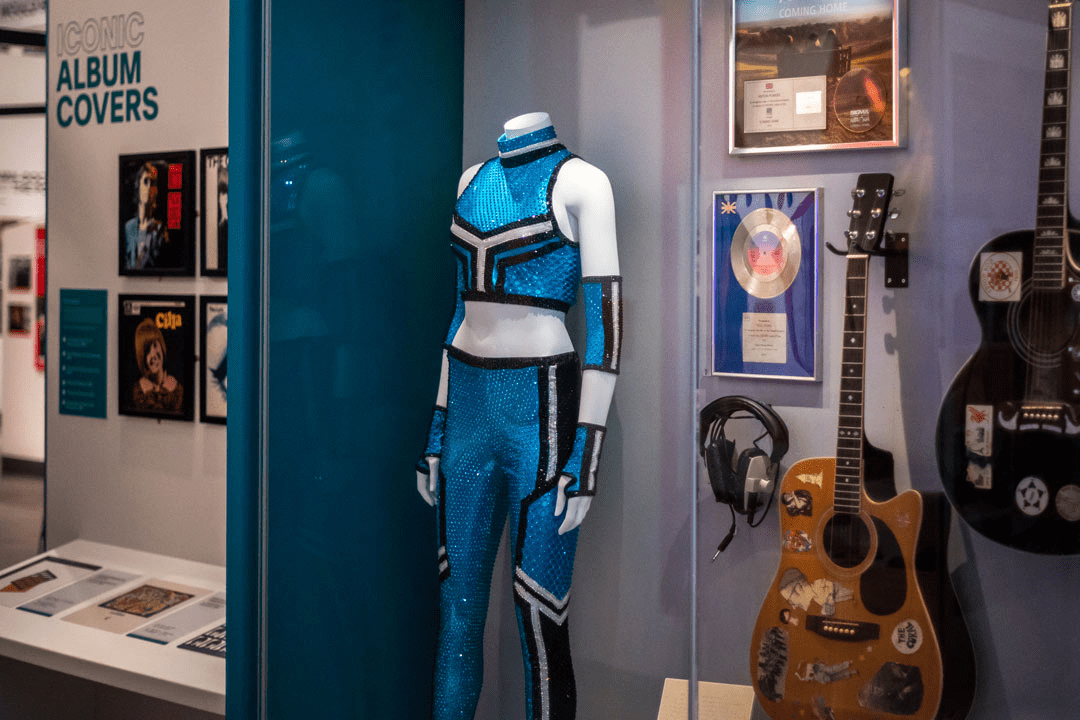
Merseyside’s music scene is probably stronger and more diverse than ever. For sure, it can’t be considered as a single scene but rather as a collection of many different groups, events and movements that contribute to a lively and vibrant culture of creativity and collaboration.
The region’s music scene brings together Merseyside musicians as well as performers from the Wirral, the borough beyond the River Mersey, with many of the world’s leading creative figures drawn to the city’s culture. It is a kind of melting pot of cultures and ideas, which is well reflected in the sounds and songs of the city.
If there’s one thing all Liverpool artists have in common, it’s their ability and willingness to experiment and push boundaries. The Beatles undoubtedly remain one of the most innovative and influential bands of all time, but they are far from the only ground-breaking singers from Liverpool. The modern scene continues the old tradition of the city, creating new amazing sounds.
MUSICAL EVENTS
The history of Liverpool music would be incomplete without a mention of some of the local festivals, such as
- Liverpool International Music Festival. It evolved from the Mathew Street Music Festival, which was Liverpool’s largest annual free music festival, attracting over 200,000 visitors to the city.
- Africa Oyé
- Melodic Distraction
- International Beatleweek
- and Liverpool Irish Festival, featuring predominantly folk music and highlighting the cultural links between Liverpool and Ireland.