A brief history of a mysterious band that released just one album – and forever entered the annals of British music. How “There She Goes” became an anthem of youth, why Lee Mavers is still considered a mythical hero of the Britpop scene, and who stood by his side – we tell the full story on liverpool-trend.com.
Where the Band Came From: Liverpool’s Legacy
Liverpool, mid-1980s. The city that had already given the world The Beatles was experiencing another wave of musical revival. Against this backdrop, The La’s emerged – a band with an odd name that seemed to speak in local slang: “the lads.” But their story would turn out to be far from simple.
Initially, it was a duo. Mike Badger, an artist and musician, was looking for a way to express himself outside the confines of a gallery. He founded the band, and soon after, Lee Mavers joined him – a guy with a guitar, perfect pitch, perfectionism, and a talent for songwriting. His vision would become the “core” of The La’s. In 1984, the band found its first stable lineup.
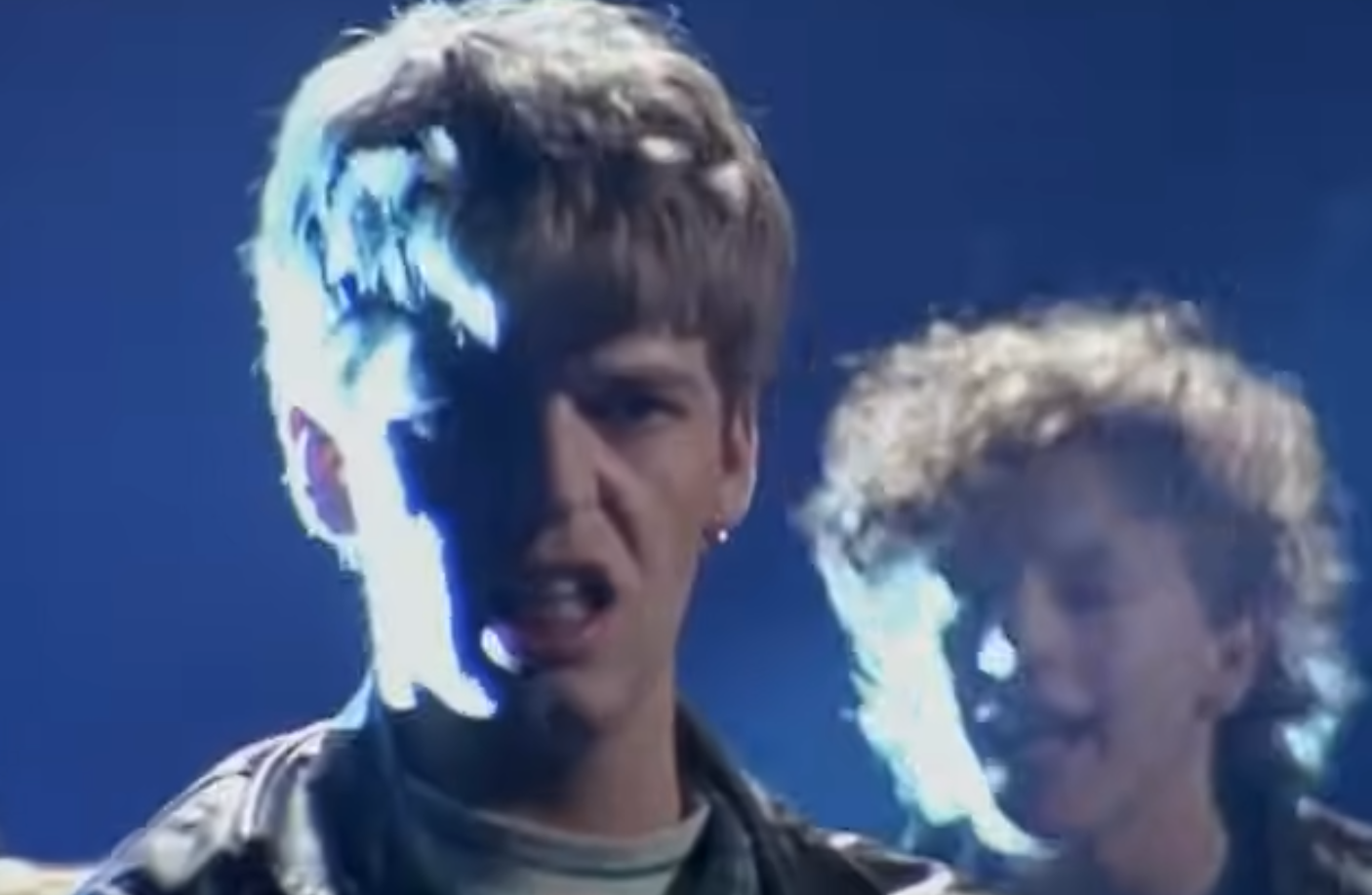
But the Liverpool vibe wasn’t just about Beatlesque romance. The La’s drew inspiration from Merseybeat, folk, and 1960s psychedelia, as well as the post-punk sound that was shaping the British scene at the turn of the decades. They were compared to The Byrds, The Kinks, and even The Velvet Underground – for their conciseness, imagery, and musical honesty.
But the most important element was Lee Mavers’ obsession. He sought an “authentic” sound: raw, live, without studio polish. And this trait would soon become both the band’s curse and its blessing.
Music That Appeared and Disappeared
By 1990, The La’s had already become something of a myth – a band that seemed to exist, yet no one really knew if an album would ever be released. After years of searching, endless re-recordings, changes of several producers and studios – the record finally appeared. It was simply called “The La’s.”
The album sounded… good. But not as Lee Mavers had wanted. He immediately distanced himself from the release, calling it an “unfinished demo,” refused to promote it, and disappeared from the public eye. At the same time, critics hailed the record as the “gold standard of guitar pop,” and listeners fell in love. Especially with “There She Goes.”
This song is, without exaggeration, a legend. There’s something magical about it: ringing guitars, a soft voice, simple yet hypnotic lyrics. “There she goes again…” – and that’s it, you’re already immersed in the story. The song has been covered numerous times by other artists (Sixpence None the Richer, The Boo Radleys) and has featured in dozens of films and TV series – from “So I Married an Axe Murderer” to “Gilmore Girls.”
Yet, many also noticed that the album’s studio version lost the raw energy the band showcased in their BBC sessions. There, you heard guitar attacks, jagged rhythms, true rock and roll. In the studio, it was a smoothed-out, “polished” product. And therein lies the main contradiction of The La’s: they were too alive for the studio – and too uncommercial for show business.
The Members of The La’s Band: Who Stood Behind the Sound
Although The La’s were always perceived as Lee Mavers’ project, behind every great myth stand equally important names. The band members changed constantly – dozens of musicians came and went on stage and in the studio, but some of them left a special mark.
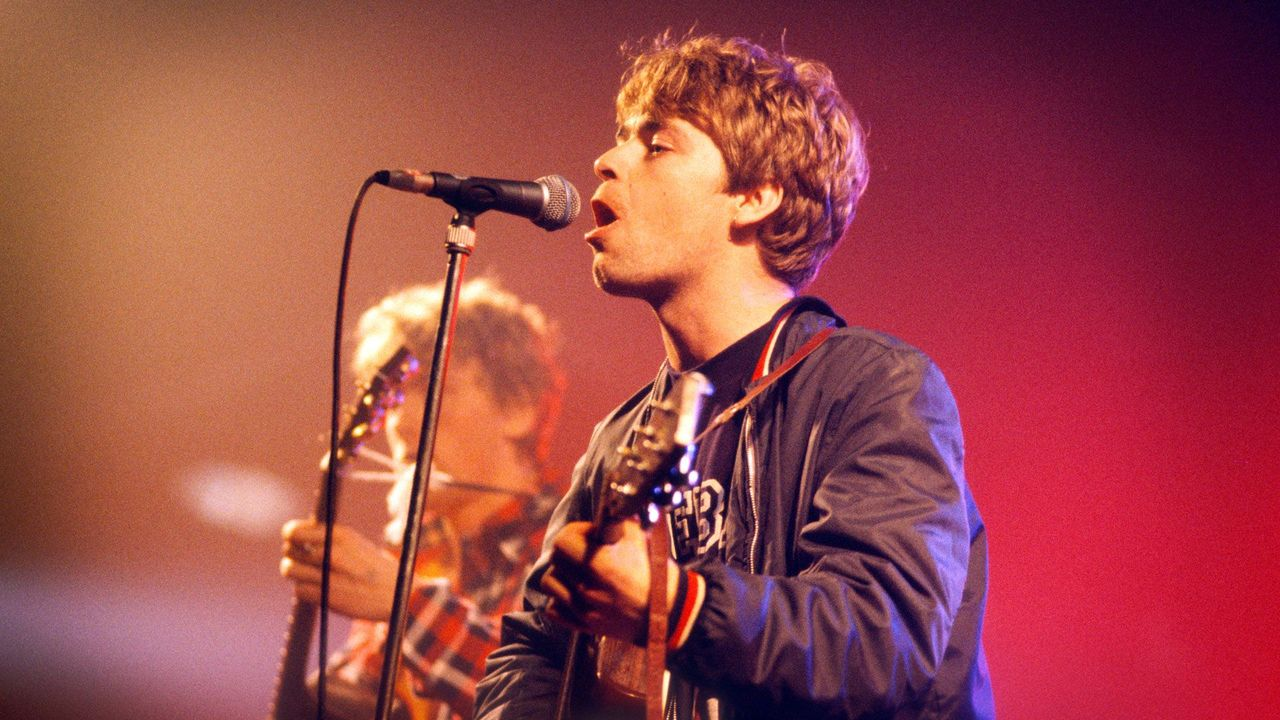
Lee Mavers – frontman, songwriter of all songs, vocalist, guitarist, and… a fan of analogue sound. He instilled in every note the idea of “reverse time”: to make 1990 the year where the spirit of 1966 still lived on. His ear and musical intuition became a curse for producers, who one by one gave up, unable to realise his vision.
John Power – bassist and backing vocalist, who later founded the successful band Cast. His contribution was not only technical but also energetic. It was Power who helped maintain the rhythm when everything else in the band was shaky. In 1991, he would leave The La’s – marking the beginning of the end for the band’s active phase.
Mike Badger – co-founder and first vocalist of The La’s. His role is often underestimated, but it was he who brought Mavers into the project that he would later transform into his brainchild. After leaving the band, Badger worked in art and design and founded The Onset.
Chris Sharrock – drummer who also played with The Icicle Works, Oasis, and Robbie Williams. His style – precise, rhythmic, without unnecessary embellishments – perfectly suited The La’s’ ascetic sound.
And dozens more names: Paul Hemmings, Barry Sutton, Neil Mavers (Lee’s brother), Cami… The lineup changed so frequently that by the time the album was released, some of the musicians were no longer in the band. This instability, on one hand, hindered development, and on the other, added to the band’s aura of mystery: as if The La’s weren’t a collective, but a musical state of mind.
A Legacy That Lives On Despite the Silence
The story of The La’s seems incomplete – and that’s precisely why it’s so captivating. After the release of their debut album, the band performed for some time but gradually disappeared from the radar. Lee Mavers still rarely appears in interviews, each time confirming: there will be no second album until it sounds “just right.”
This silence only strengthened the myth. Like the American band The Shangri-Las – also with a short career and a long aftertaste – The La’s became a phantom in pop culture. It seems as if they were always there, though in reality they hardly managed to do anything.
But their influence is palpable. The La’s are often mentioned as the spiritual ancestors of the Britpop wave. Without them, there would be no Oasis, The Libertines, Arctic Monkeys. It was their sound, blending the 1960s and 1990s, that taught other bands to seek honest emotion instead of producer tricks. And every time “There She Goes” plays on the air, someone discovers this band for the first time – and delves into a world where music sounds a little different.