Liverpool needs no introduction when it comes to popular music – even children have heard of The Beatles. But behind the facade of museums focused on rock and roll, another musical story is hidden – quiet, yet persistent, rich in tradition, talent, and innovation. Classical music here is a living part of the urban environment. It resonates in ancient halls and modern classrooms, amidst cathedral organs and experimental stages. Next on liverpool-trend.com is the story of how Liverpool became one of the most interesting centres for classical music in the United Kingdom.
The City’s Symphonic Heart
To understand why classical music resonates so powerfully in Liverpool, it’s worth starting with the main attraction: the Royal Liverpool Philharmonic Orchestra. This is the cultural heart of the city – a kind of living organism whose history stretches back to the 19th century.
From the 1840s to the 2020s: A Tradition That Never Stops
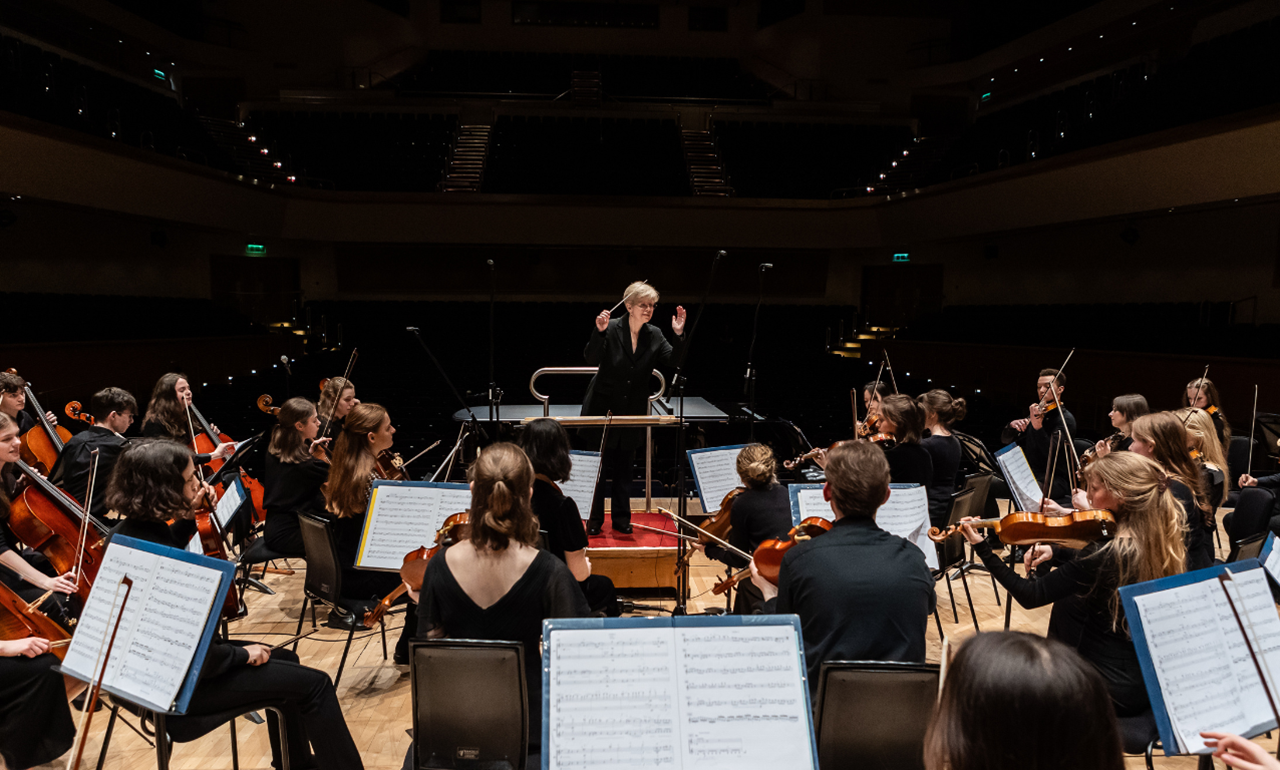
The orchestra was founded in 1840, making it the oldest professional symphony orchestra in the UK. Its history includes performances with Benjamin Britten, Sir Malcolm Sargent, and many other distinguished musicians. And today, the orchestra continues to drive new projects and musical discoveries.
Every year, the Royal Liverpool Philharmonic Orchestra hosts over 400 events. These can range from grand symphonic programmes to intimate chamber evenings or regular educational concerts. They attract around 300,000 listeners annually, with over 60,000 of those being children and teenagers.
Musical Diversity: Modern Premieres and Youth Programmes
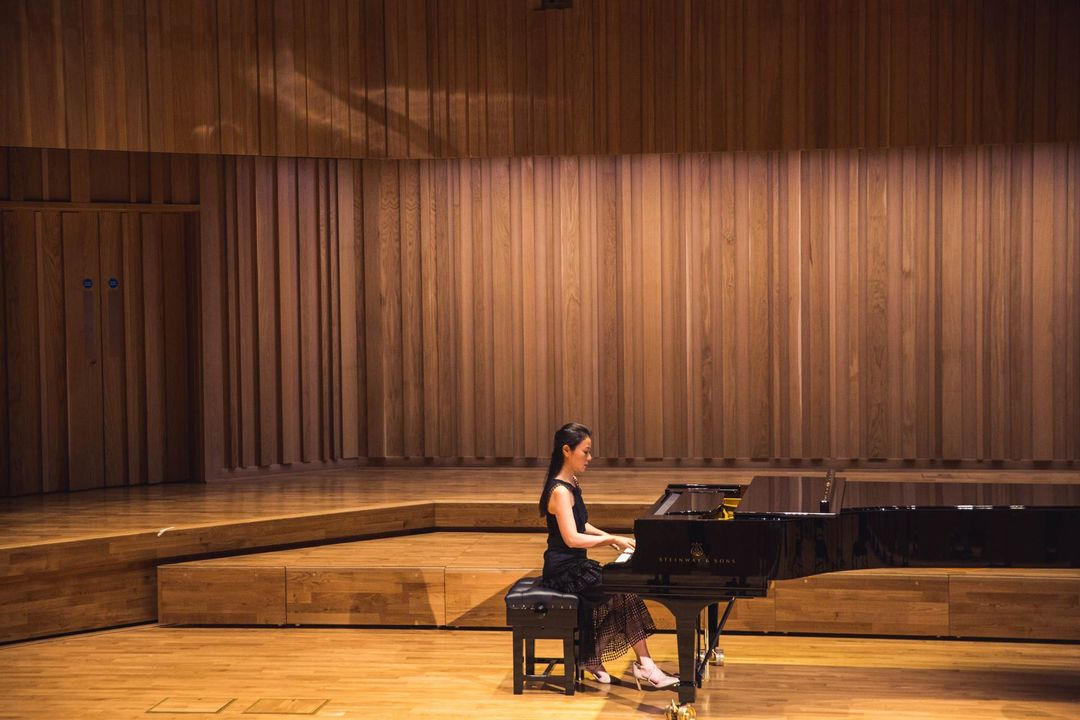
In the 2020s, the orchestra has been particularly active in supporting contemporary British music. For instance, young composer Grace-Evangeline Mason’s work “The Hart” was performed in Liverpool and broadcast on BBC Radio 3. Another notable premiere was Sam Kane’s symphony “Storm”, a graduate of the RLPO’s youth programme.
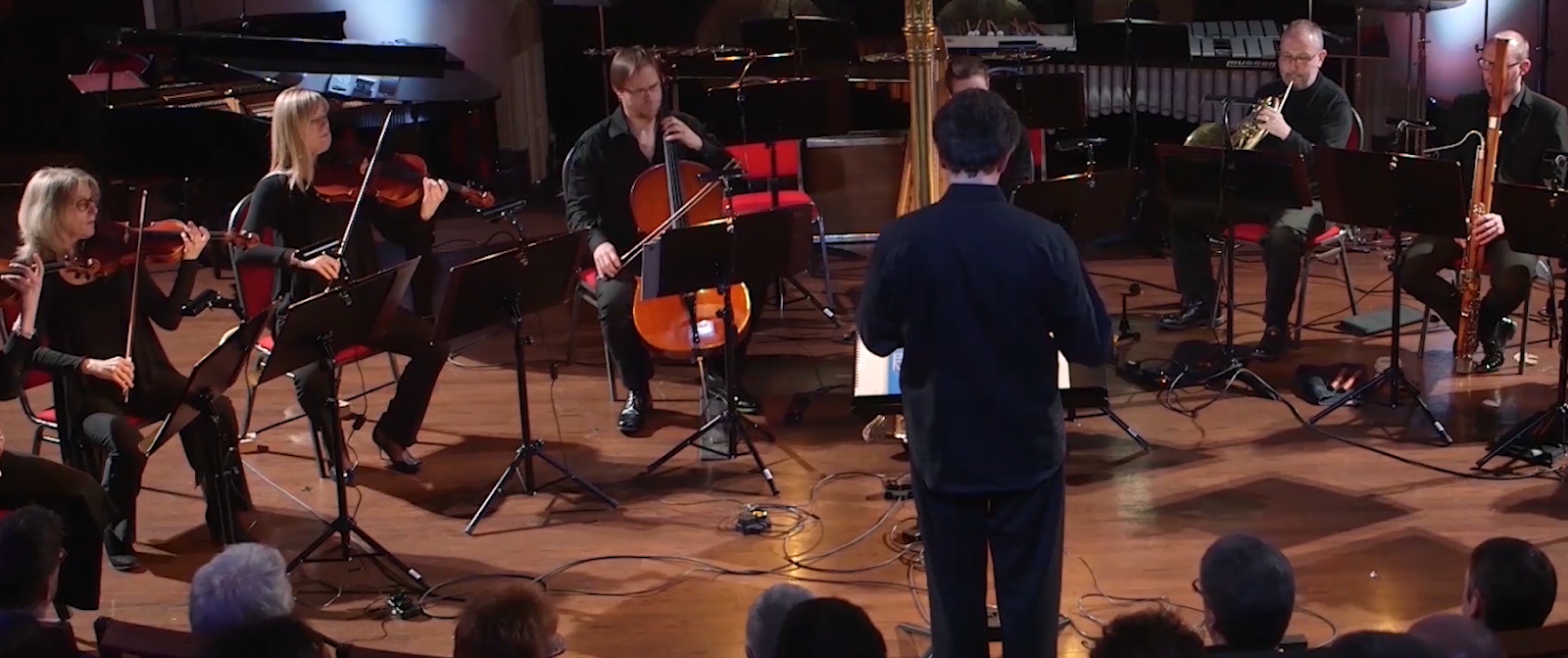
Classical music here isn’t just for adults in evening wear. The “In Harmony” project works with primary school pupils in underprivileged areas. Young people play in the Youth Company, a youth orchestra, or in the experimental ensemble Ensemble 10:10, which performs contemporary classical music. Peter Garden, Executive Director for Audiences at the Royal Liverpool Philharmonic Orchestra, says that live performance inspires young people and ignites their love for music.
The People Who Create the Sound
As in any cultural environment, the true character of Liverpool’s classical scene is shaped by its personalities. Some are born in this city, others are connected to it creatively or through education. And it is this constantly evolving community that keeps Liverpool’s classical music alive and unexpected.
Notable Figures: From Simon Rattle to Grace-Evangeline Mason
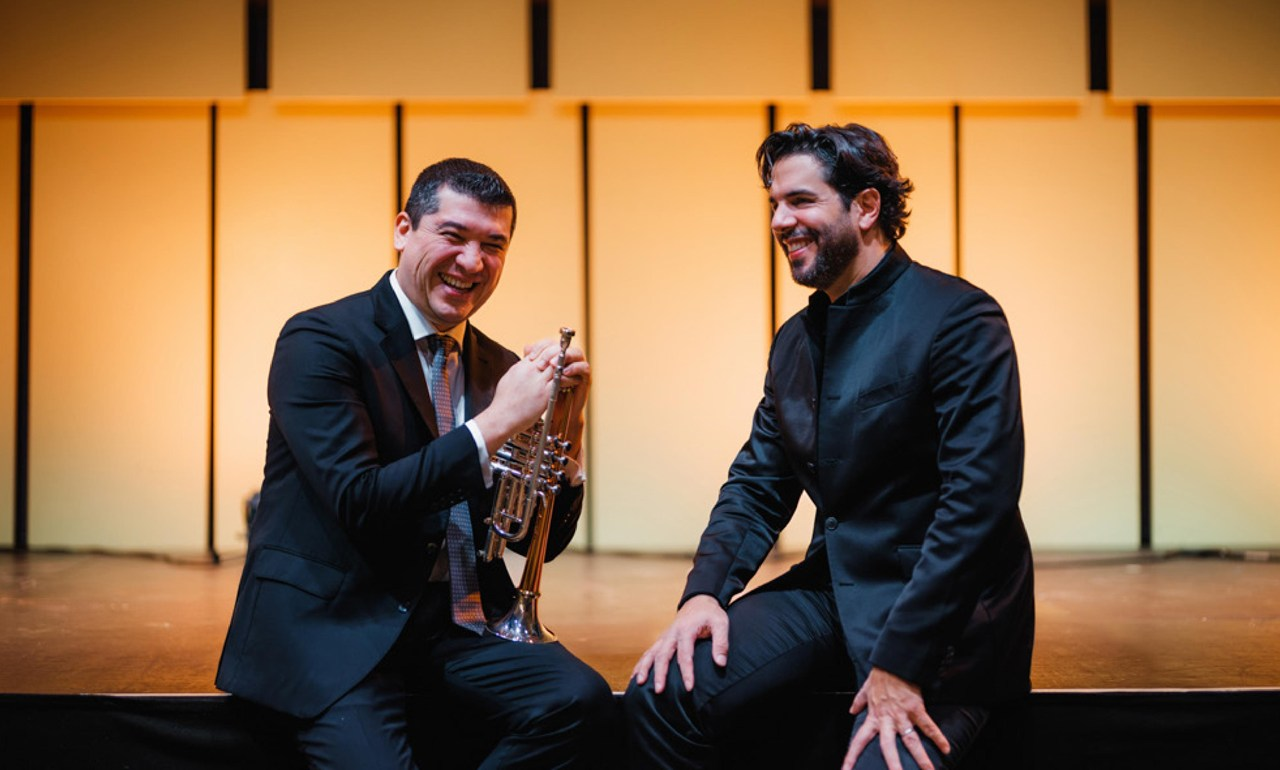
The most famous son of Liverpool in classical music is undoubtedly Sir Simon Rattle. One of the most distinguished conductors of our time, he was born here in 1955 and began his journey in the city’s youth orchestra. Later, his career spanned the London Symphony Orchestra, the Berlin Philharmonic, and dozens of leading stages worldwide.
Another significant figure of the new generation is composer Grace-Evangeline Mason. Her works combine an intuitive sensitivity to sound with technical sophistication. The RLPO commissions and performs her music, providing a stage for young British voices.
And another interesting example is Mark Simpson, a clarinetist and composer also born in Liverpool. He became the only person in history to win two prestigious BBC competitions simultaneously: as both a performer and a composer (2006). His music is vibrant, emotionally rich, and often avant-garde.
Traditions of the Past: Church and Organ Music
Liverpool also boasts an incredible tradition of church music, particularly palpable in both of the city’s main cathedrals – the Anglican and the Roman Catholic. Within these walls, masterpieces of organ and choral music have resonated, shaping the city’s cultural code.
One of the most famous British organists of the 19th century – William Thomas Best – worked right here. His virtuosity and repertoire influenced the standards of organ performance across the entire country. Best held regular concerts at St George’s Hall – and these were outstanding events for the general public.
In the 20th century, a powerful figure was Philip Duffy – music director of the Metropolitan Cathedral (1966–1996). He founded the Liverpool Bach Collective, which continues to perform early music in various churches throughout the city today.
Thus, sacred classical music in Liverpool is a full-fledged parallel scene. It preserves tradition, nourishes it through weekly concerts, singing during services, and new interpretations of old works.
The City as a Stage: Where to Find Classical Concerts in Liverpool
Classical music in Liverpool doesn’t reside in just one place, although, of course, it’s most associated with the Philharmonic Hall. The city knows how to make music resound everywhere – from colonial palaces to modernist cathedrals, from university auditoriums to alternative spaces where violins can sit alongside electronics. The geography of the classical scene here is diverse and often surprising.
Historic Spaces: The Philharmonic Hall, St George’s Hall, Cathedrals
The central and, without exaggeration, symbolic venue is the Liverpool Philharmonic Hall – a 1939 building with exceptional acoustics and an original Art Deco style. Though extensively refurbished, it retains the atmosphere of the mid-20th century, adding charm to classical music evenings.
No less significant is St George’s Hall, one of Europe’s most opulent neoclassical interiors, where organ concerts have been held since the 19th century. Contemporary events include solo recitals, choral music festivals, and open-air summer concerts.
And then there are the cathedrals. The Anglican and Roman Catholic, both monumental yet distinct in spirit, regularly host choral concerts, organ recitals, and Christmas performances. The organs in these churches are a separate pilgrimage for music lovers.
Alternative Scenes: Chamber Music and Experimental
Besides the main halls, Liverpool has many smaller but no less interesting venues. For example, Ensemble 10:10 – the RLPO’s chamber division – performs in university halls, art spaces, and even unconventional locations. Their programmes focus on contemporary British music, often featuring premieres by young composers.
Another initiative is the Liverpool Bach Collective, which performs the music of Johann Sebastian Bach in rotation across various churches in the city. This allows audiences not only to experience Baroque classics live but also to discover new and interesting musical locations in Liverpool.
The music departments of the University of Liverpool and the Liverpool Institute for Performing Arts also play a vital role. They host public lecture-concerts, experimental evenings, and interdisciplinary events at the intersection of classical music and sound art.
So, classical music in Liverpool isn’t confined to one hall – it permeates the city, breathes with it, and constantly seeks new forms.
Conclusion: Classical Music – In the City’s DNA
Classical music in Liverpool is not a nostalgic look at the past, nor is it a privilege of the elite. It is deeply rooted in the city’s cultural fabric, yet it is dynamic, open to change, and surprisingly vibrant. Here, it resonates in acoustically perfect halls, in schools, in churches – and finds its audience everywhere.
Liverpool demonstrates that classical music can be more than an academic formality; it can be a way to comment on contemporary life. And at the same time, it serves as a bridge to a grand tradition, where the name of Bach is no less important than the voice of a young composer from Toxteth. Our city loves classical music; one might even say it lives and breathes it.