


Echo & the Bunnymen is a musical band, which was created in Liverpool in 1978. During the first years of its existence, it moved from post-punk to musical experiments in neo-psychedelia and gothic rock. With the release of each new album, the band developed significantly, expanding the horizons of post-punk and exciting fans of the genre. Learn more at liverpool-trend.com.
THE FIRST STEPS
It was the sunset of the first punk wave, which replaced the British Merseybeat of the 60s. In September 1978, vocalist Ian McCulloch, bassist Les Pattinson and guitarist Will Sergeant united to form their unique musical collective. Its members named another full-fledged member, the Echo drum machine. Undoubtedly, its role was important, otherwise, the machine’s name wouldn’t have appeared in the first place in the band’s name. Considering the previous unsuccessful experience, the participants couldn’t guarantee that their idea had a future. However, at that time, all the “ingredients” perfectly matched and the magic of Echo & the Bunnymen began.
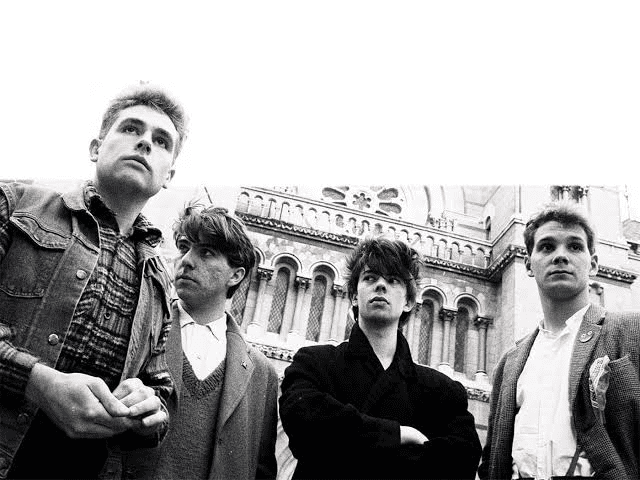
In November, the team first appeared on the stage of the Liverpool club called Eric’s. This is a special place, as it gathered all progressive youth and held concerts of alternative bands. Echo & the Bunnymen played only one song there, but it was a success. Perhaps, that was why the independent Liverpool brand Zoo offered the team a collaboration. That was how the first single, The Pictures on My Wall, was recorded. After that, the group’s popularity went beyond the region.
In 1979, the large Wea corporation signed a contract with these musicians through the Korova subsidiary and it was a real triumph. At the same time, the Echo drum machine got “retired” and its place was taken by a human, professional drummer Pete de Freitas.
PEAK OF POPULARITY
In mid-1980, the band released their second single and at that time Ian Curtis, the vocalist of the post-punk band Joy Division, died. It influenced Curtis’s colleagues and they switched to a different musical direction. Thus, the fans of tragic post-punk turned their attention to Echo & the Bunnymen.
Real popularity came to the band after the release of their second album Heaven Up Here. It made Echo & the Bunnymen number 10 in the UK charts. While the band’s single A Promise is still considered one of their best.
In June 1982, the band released another unique track, The Back of Love, and also performed at the famous WOMAD festival. The band gained a lot of fans who were eagerly waiting for the release of new albums. So, the members had no choice but to create and release new compositions. Echo & the Bunnymen successfully toured not only in Great Britain but also in Japan, the USA and European countries.
In 1984, they released the Ocean Rain album and, according to many critics, it became the band’s main masterpiece. Echo & the Bunnymen showed everything they were capable of – great bass parts, excellent vocals and professional arrangements. Another advantage of the album was the presence of an orchestra. Yes, that’s right, the band invited a real orchestra of 35 people, which positively affected the quality of the music.
DISBANDMENT AND REFORMATION
After Ocean Rain, something happened to the team that often happened to many notable groups. They stopped giving themselves an objective assessment. The band, as they said in Liverpool, went south, that is, inclined towards the mainstream.
Relationships within and around Echo & the Bunnymen started to change too. Former, somewhat eccentric and very active, managers were leaving and were replaced by serious management from Los Angeles. Unfortunately, it had a negative effect on the band. Megahits and grandiose projects were replaced by fatigue, depression and inactivity.
Perhaps Ian McCulloch understood that the group had exhausted itself, so he took a decisive step. In 1988, he left the band, planning to start a solo career. Instead, the band took a singer from Ireland, Noel Burke. In 1989, drummer Pete de Freitas died in an accident, but the remaining members didn’t want to admit defeat and invited Damon Reece. In fact, there was only the Echo & the Bunnymen name left of the former group.
In this composition, the group released a new album, Reverberation, which was very negatively received by critics. The team gradually descended to the club level and remained there until 1993. It didn’t make sense to continue, so it was decided to disband the group.
The reformation took place in 1997. McCulloch suggested Pattinson and Sergeant working together again, reviving Echo & the Bunnymen. The band began touring and recording new albums. In 1999, Les Pattinson left for family reasons. Paul Fleming (keyboards), Simon Finley (drums), Steve Brannan (bass) and Gordy Goudie (guitar) were taken into the group.
In the following years, Echo & the Bunnymen released remastered records and several compilations, recorded new albums and regularly went on tours. The last song called The Stars, The Oceans & the Moon was released in 2018. In 2023, as part of a four-concert tour, the group played their fourth album in Great Britain.
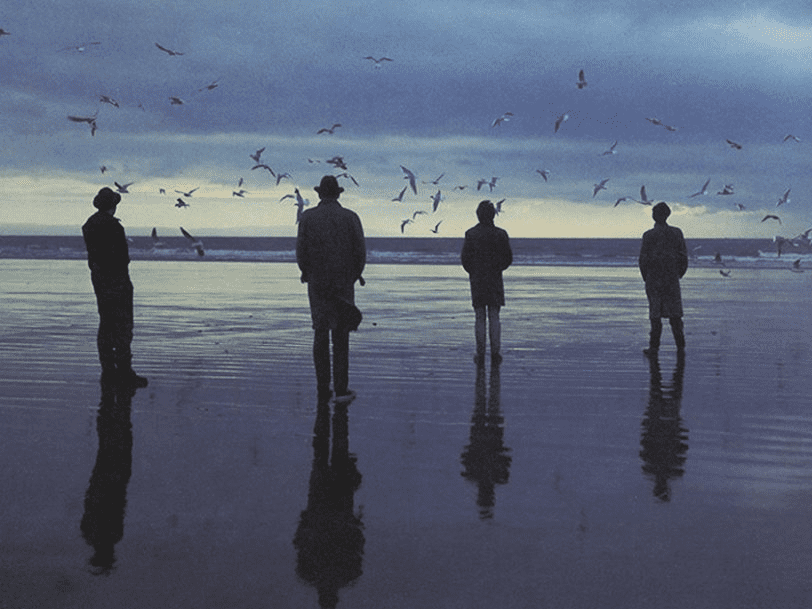
Some critics believe that the new members of Echo & the Bunnymen didn’t manage to regain their former glory. However, full halls and crowds of fans indicate that the renewed band has managed to find its niche and has a future.